
Homeowners Insurance in Anchorage, AK
core Coverages
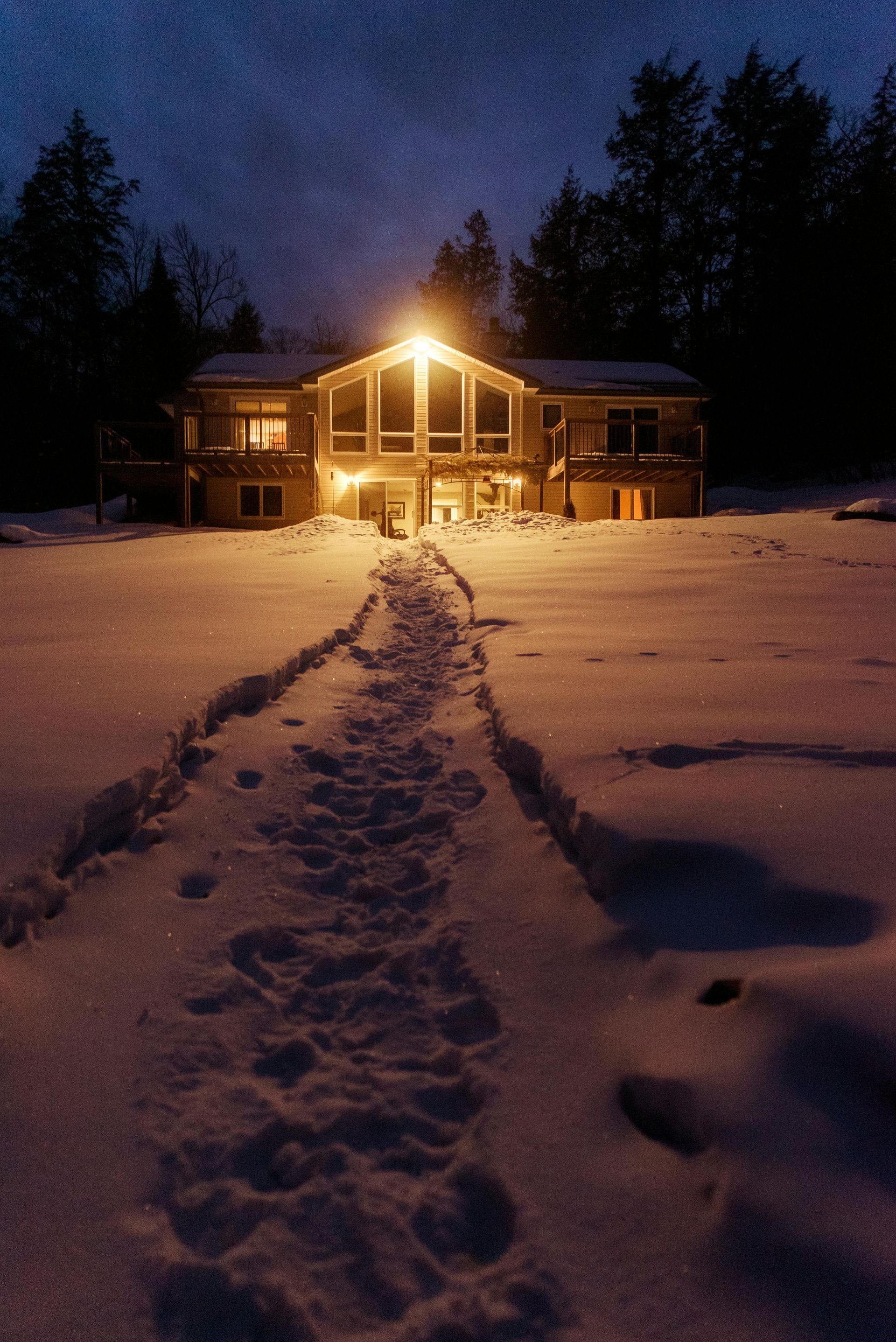
Owning a home comes with both pride and responsibility. The right homeowners insurance helps protect your property, belongings, and financial security if unexpected events occur.
Our agency helps Anchorage homeowners choose coverage that fits how they actually live. Whether you're purchasing your first home, updating an older policy, or reviewing your protection after renovations or major purchases, we guide you through options so you understand what your coverage includes and how it works.
Homeowners insurance can help protect the structure of your home, the belongings inside it, and your financial stability if someone is injured on your property or a claim arises.
Our goal is simple: help you feel confident about the protection surrounding your home.
Protect Your Home and What Matters Most
Dwelling Coverage
Dwelling coverage helps protect the physical structure of your house if it is damaged by covered events such as fire, wind, or severe weather. This portion of the policy focuses on the building itself, including the major structural elements that make up your home.
Typical protection includes:
• Repair or rebuilding of the home after covered damage
• Protection against fire, windstorms, hail, and similar events
• Coverage for attached structures such as garages or decks
• Support for material and construction costs during repairs
• Required protection for most mortgage lenders
Choosing the right dwelling limit is important so rebuilding costs are properly accounted for if a loss occurs.
Personal Property Coverage
Personal property coverage protects the items you keep inside your home. Furniture, electronics, clothing, appliances, and other belongings can be replaced if they are damaged or stolen due to covered events.
Coverage may include:
• Replacement of belongings damaged in a covered loss
• Protection against theft, fire, or certain weather-related damage
• Coverage for items inside your home and sometimes while traveling
• Options for replacement cost or actual cash value reimbursement
• Flexible coverage limits based on the value of your possessions
- For valuable items such as jewelry, artwork, or collectibles, additional endorsements may be available to provide broader protection.
Personal Liability Protection
Personal liability coverage helps protect you financially if someone is injured on your property or if you accidentally damage someone else’s property. This portion of the policy may help cover medical expenses, legal costs, and settlements that arise from liability claims.
Liability protection can include:
• Coverage for bodily injury claims involving guests
• Assistance with medical expenses related to accidents on your property
• Legal defense costs if a claim leads to a lawsuit
• Coverage that may extend beyond your property in certain situations
• Financial protection from unexpected liability events
- This coverage helps protect your personal finances if an incident results in a claim.

FREQUENTLY ASKED QUESTIONS
Frequently Asked Questions About Homeowners Insurance
Understanding your policy helps you make better decisions about your coverage. Here are answers to some common questions homeowners ask when reviewing insurance.
What factors affect the cost of homeowners insurance?
Several factors influence how homeowners insurance premiums are calculated. Insurers often consider the age and condition of the home, construction materials, roof type, and the home’s rebuilding cost. Location also plays a role, including weather risks, wildfire exposure, and proximity to fire protection services.
Your claims history, deductible choice, and selected coverage limits can also affect pricing. Reviewing these factors with an agent can help identify ways to structure coverage that balances protection with manageable costs.
What is a deductible in homeowners insurance?
A deductible is the amount you agree to pay out of pocket before your insurance coverage begins paying for a covered loss. For example, if your policy has a $1,000 deductible and a covered repair costs $6,000, the policy would typically pay the remaining amount after the deductible is applied.
Choosing a higher deductible can sometimes reduce the cost of your insurance premium. However, it’s important to select a deductible you could comfortably pay if a claim occurs, since this amount is your responsibility before insurance coverage applies.
Does homeowners insurance cover damage from severe weather?
Most homeowners insurance policies include protection for many types of weather-related damage, such as windstorms, hail, and certain storm events. If a covered weather event damages your roof, siding, or other parts of your home, your policy may help cover repairs or rebuilding costs.
However, not all weather risks are included in standard policies. Events such as floods or earthquakes are often excluded and may require separate coverage. Reviewing your policy helps clarify exactly which types of weather damage are covered.
What happens if my home becomes temporarily unlivable?
If a covered loss makes your home unsafe or uninhabitable, many homeowners policies include coverage for additional living expenses. This coverage can help pay for temporary housing, meals, and other necessary costs while repairs are being completed.
The goal of this coverage is to help maintain your normal standard of living while your home is restored. Limits and timeframes vary depending on the policy, so reviewing those details can help you understand what support is available if a major loss occurs.
When should I review or update my homeowners insurance?
It’s a good idea to review your homeowners insurance whenever significant changes occur. Renovations, home additions, new purchases, or increases in property value may affect the amount of coverage needed.
Even without major changes, reviewing your policy every year or two helps ensure your protection still reflects current rebuilding costs and the value of your belongings. Regular reviews can help prevent gaps in coverage as your home and circumstances evolve.